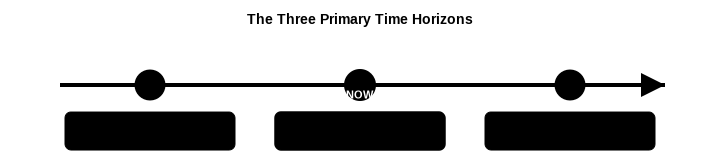
Tenses show the exact time an action happens by changing the form of the verb. There are three main tenses in English: Present Tense for actions happening now or habits, Past Tense for actions that already finished, and Future Tense for actions that will happen later. Each main tense helps us place events correctly along a timeline so our sentences make sense. Mastering these basic tenses makes speaking and writing clearly very easy.
1. Present Tense
Present tense shows an action that is happening right now, happens regularly as a habit, or is a general truth.
Example Words
ReadEatPlayRunWalkSleepStudyCookWatchWrite
Example Sentences:
She reads a storybook every night.
I eat fresh fruit every morning.
He plays football in the park.
Horses run very fast in the field.
They walk to school together.
The baby sleeps peacefully in the cradle.
We study our lessons every evening.
My mother cooks tasty food for us.
They watch the evening news together.
The teacher writes on the green board.
2. Past Tense
Past tense shows an action that already started and finished at an earlier time.
Tenses tell us when an action happens (past, present, or future) and how it happens (whether it is a simple fact, still ongoing, completed, or happening over a stretch of time). By combining the 3 times with the 4 grammatical aspects, English forms 12 basic tenses.
Tense
Formula (Positive)
Key Idea
Example
Simple Present
Subject + V1 (s/es)
Routine, habit, universal truth
I play tennis.
Present Continuous
Subject + is/am/are + V-ing
Happening right now
I am playing tennis.
Present Perfect
Subject + has/have + V3
Finished recently, affects now
I have played tennis.
Present Perfect Continuous
Subject + has/have + been + V-ing
Started in past, still going
I have been playing tennis for an hour.
Simple Past
Subject + V2
Finished at a specific past time
I played tennis.
Past Continuous
Subject + was/were + V-ing
Was in progress in the past
I was playing tennis.
Past Perfect
Subject + had + V3
Happened before another past action
I had played tennis.
Past Perfect Continuous
Subject + had + been + V-ing
Ongoing up until a past moment
I had been playing tennis.
Simple Future
Subject + will + V1
Will happen later
I will play tennis.
Future Continuous
Subject + will be + V-ing
Will be in progress at a future time
I will be playing tennis.
Future Perfect
Subject + will have + V3
Will be finished before a future point
I will have played tennis.
Future Perfect Continuous
Subject + will have been + V-ing
Ongoing up until a future moment
I will have been playing tennis.
Note: V1 = base form (play), V2 = past form (played), V3 = past participle (played, written).
Part 1: Present Tenses
1. Simple Present Tense
Used for regular habits, daily routines, facts, and things that are generally true.
Positive: Subject + V1 (add -s or -es for he/she/it)
Negative: Subject + do/does not + V1
Question: Do/Does + Subject + V1?
Common Clue Words: Always, usually, often, everyday, sometimes, never.
She drinks milk every morning.
They do not like cold weather.
Does he live in New York?
2. Present Continuous Tense
Used for actions happening right at this very moment, or temporary situations happening around now.
Positive: Subject + is / am / are + (V1 + ing)
Negative: Subject + is / am / are + not + (V1 + ing)
Question: Is / Am / Are + Subject + (V1 + ing)?
Common Clue Words: Now, right now, at the moment, currently, look!
I am reading a grammar lesson right now.
The children are playing outside.
Is she sleeping upstairs?
3. Present Perfect Tense
Used for an action that happened at an unspecified time in the past, or an action that just finished but still has an effect on the present.
Positive: Subject + has / have + V3
Negative: Subject + has / have + not + V3
Question: Has / Have + Subject + V3?
Common Clue Words: Already, just, yet, ever, never, recently.
I have finished my homework. (It is done now.)
She has lost her car keys. (She still does not have them.)
Have you seen that movie yet?
4. Present Perfect Continuous Tense
Used for an action that started in the past, has continued over a duration of time, and is still continuing right now.
Positive: Subject + has / have + been + (V1 + ing)
Negative: Subject + has / have + not + been + (V1 + ing)
Question: Has / Have + Subject + been + (V1 + ing)?
Common Clue Words: For (duration), Since (starting point).
It has been raining since morning.
We have been waiting for two hours.
She has been studying all afternoon.
Part 2: Past Tenses
5. Simple Past Tense
Used for an action that started and finished completely at a specific time in the past.
Positive: Subject + V2 (past form)
Negative: Subject + did not + V1
Question: Did + Subject + V1?
Common Clue Words: Yesterday, last night, in 2020, two days ago.
We visited the museum yesterday.
He did not call me last night.
Did you watch the game?
6. Past Continuous Tense
Used for an action that was in progress at a specific moment in the past, often interrupted by another shorter action.
Positive: Subject + was / were + (V1 + ing)
Negative: Subject + was / were + not + (V1 + ing)
Question: Was / Were + Subject + (V1 + ing)?
Common Clue Words: While, when, at 8 PM yesterday.
I was sleeping when the telephone rang.
They were driving home at 6 PM.
What were you doing at midnight?
7. Past Perfect Tense
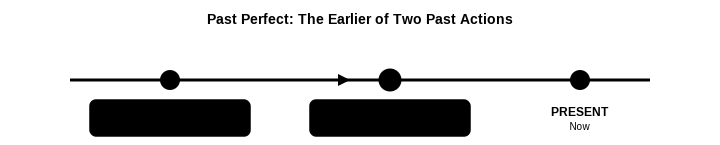
Used when talking about two events in the past, to show which event happened first. The older action takes the Past Perfect.
Positive: Subject + had + V3
Negative: Subject + had not + V3
Question: Had + Subject + V3?
Common Clue Words: Before, after, by the time, already.
The train had left before we reached the station.
She had already eaten when I arrived.
They had not finished the test when the bell rang.
8. Past Perfect Continuous Tense
Used to show that an action was ongoing in the past up until another past event took place.
Positive: Subject + had + been + (V1 + ing)
Negative: Subject + had not + been + (V1 + ing)
Question: Had + Subject + been + (V1 + ing)?
Common Clue Words: For, since, before.
He was tired because he had been running for an hour.
They had been living there for five years before they moved.
She had been working on the project all day.
Part 3: Future Tenses
9. Simple Future Tense
Used for actions, decisions, or predictions that will happen after the present moment.
Positive: Subject + will + V1
Negative: Subject + will not (won't) + V1
Question: Will + Subject + V1?
Common Clue Words: Tomorrow, next week, soon, later.
I will help you clean the room.
It will rain tomorrow.
Will you come to the party?
10. Future Continuous Tense
Used for an action that will be ongoing and in progress at a specific time in the future.
Positive: Subject + will be + (V1 + ing)
Negative: Subject + will not be + (V1 + ing)
Question: Will + Subject + be + (V1 + ing)?
Common Clue Words: At this time tomorrow, this evening at 7 PM.
At 10 AM tomorrow, I will be taking an exam.
She will be traveling all next week.
They will be waiting at the airport when you land.
11. Future Perfect Tense
Used for an action that will be fully completed before a specific deadline in the future.
Positive: Subject + will have + V3
Negative: Subject + will not have + V3
Question: Will + Subject + have + V3?
Common Clue Words: By tomorrow, by next year, by 5 PM.
I will have graduated by next July.
She will have finished her report by 5 PM.
They will have arrived before dinner starts.
12. Future Perfect Continuous Tense
Used to show how long an action will have been happening leading up to a specific future point.
Positive: Subject + will have been + (V1 + ing)
Negative: Subject + will not have been + (V1 + ing)
Question: Will + Subject + have been + (V1 + ing)?
Common Clue Words: By next..., for (duration).
By next year, he will have been teaching at this school for a decade.
By midnight, we will have been driving for eight hours straight.
She will have been working here for five years this August.
3 Golden Rules to Avoid Common Mistakes
Rule 1: Stative Verbs Avoid "-ing"
Verbs showing thoughts, emotions, perception, or possession (such as love, know, believe, want, have, understand) are rarely used in continuous forms.
Incorrect: I am knowing the answer.
Correct: I know the answer.
Rule 2: "Did" Resets the Verb to V1
When forming questions or negatives in Simple Past, the helping verb "did" already carries the past tense, so the main verb stays in its base form (V1).
Incorrect: She did not went to school.
Correct: She did not go to school.
Rule 3: "Since" vs. "For"
Use Since for a specific starting point in time (since Monday, since 2015, since 3 PM). Use For for a duration or period of time (for 20 minutes, for 3 days, for 5 years).
Ready to Test Your Tenses Speed?
Put your knowledge of all 12 tenses, formulas, and golden rules into practice with interactive timed drills.